Introduction
In the world of medical care, airway monitoring and ventilation stand as keystones for guaranteeing favorable individual results. Whether in emergency scenarios or routine medical procedures, the ability to maintain a clear respiratory tract and provide appropriate air flow is essential. This write-up looks into the details of respiratory tract administration and ventilation, checking out various techniques, training programs available, and their extensive effect on person care. With subjects ranging from fundamental ventilator courses to specialized training for registered nurses, we'll uncover the value of experienced specialists in this essential location of medicine.
Airway Administration and Air flow: The Secret to Effective Person Outcomes
Airway management describes the methods utilized to ensure that a person's respiratory tract continues to be open and unhampered. Correct management is essential for reliable ventilation-- wherein oxygen is supplied to the lungs while airway management and ventilation co2 is gotten rid of. This vibrant duo plays a crucial duty in patient survival, specifically in essential care settings.
Effective airway management includes several actions:
Assessment: Evaluating the individual's respiratory tract status. Preparation: Gathering necessary equipment. Intervention: Executing techniques like intubation or using accessory devices. Monitoring: Continually checking for appropriate ventilation.Without an adequately managed air passage, also one of the most advanced medical treatments can fail. Therefore, mastering air passage management and ventilation is vital for health care providers.
Understanding Ventilation Support
Ventilator support is a lifesaving intervention made use of when patients can not take a breath independently or call for assistance as a result of different clinical problems such as breathing failure or extreme pneumonia.
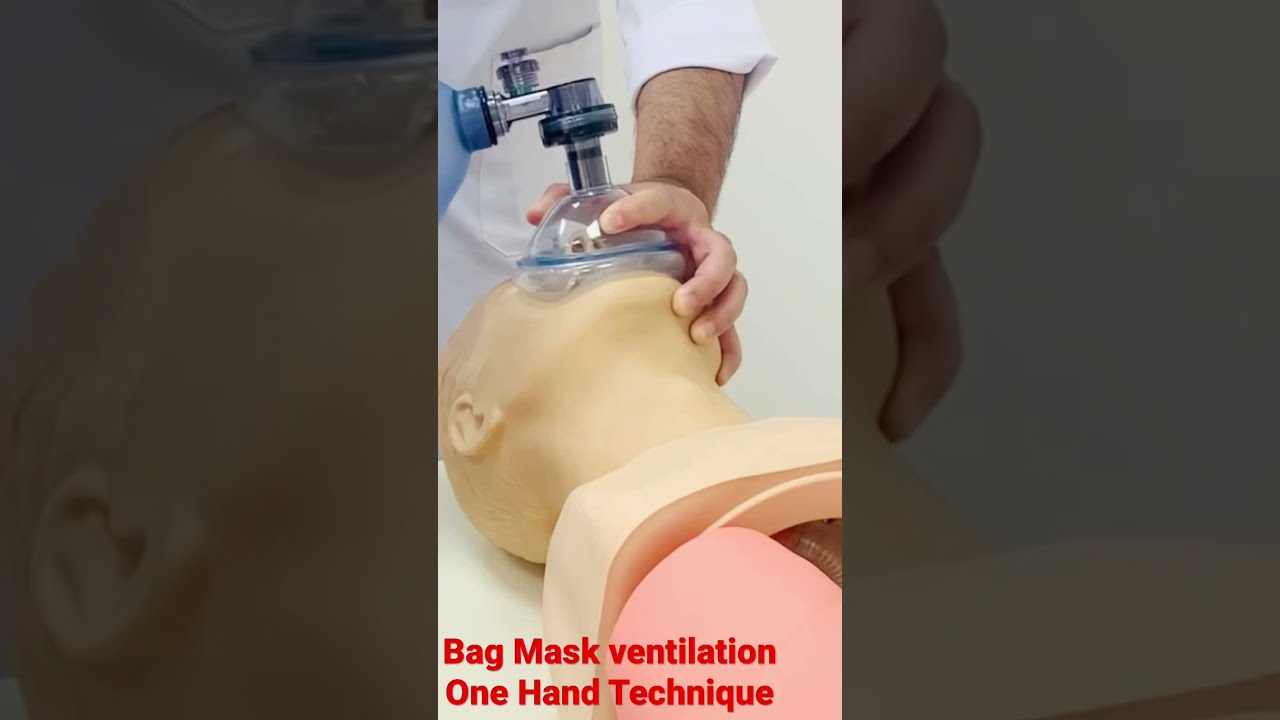
What Is Ventilator Support?
Ventilator support entails mechanically helping or changing spontaneous breathing with tools made to supply controlled breaths at predefined pressures and volumes.
Types of Ventilators
- Positive Pressure Ventilators: These press air right into the lungs. Negative Stress Ventilators: These develop a vacuum cleaner around the upper body wall, promoting inhalation.
The Role of Ventilator Training
Given its complexities, comprehending just how to operate ventilators effectively requires detailed training:
- Basic Ventilator Course: Perfect for novices, concentrating on foundational concepts. Ventilation Training Courses: More advanced programs that cover thorough expertise regarding different sorts of ventilators. Ventilator Training for Nurses: Tailored training courses resolving particular nursing obligations worrying ventilator use.
Essential Skills Obtained With Training
Practitioners get important skills such as establishing appropriate tidal quantities, adjusting pressure assistance levels, and checking client feedbacks during mechanical ventilation.
Advanced Methods in Respiratory tract Management
Intubation Techniques
Intubation is typically needed when people are unable to preserve their own air passages due to sedation or acute disease.
Rapid Sequence Intubation (RSI)
This strategy incorporates sedative representatives with paralytic medications to help with quick intubation with minimal risk of aspiration.
Supraglottic Respiratory tract Devices (SGA)
These tools are versatile devices that can be made use of when intubation isn't quickly feasible or necessary:
- Examples include: Laryngeal Mask Airways (LMAs) and Combitubes.
Tracheostomy Management
When extended mechanical air flow is needed, tracheostomy might be suggested:
Tracheostomy and Ventilator Training
Healthcare experts should understand both tracheostomy treatment and exactly how it incorporates with ventilatory support systems.
Clinical Applications of Respiratory tract Management Techniques
Emergency Situations
In emergencies like heart attack or severe respiratory system distress, fast airway assessment can save lives:
Assessing Airway Patency: Inspecting if the airway is clear. Implementing Basic Life Assistance (BLS): Guaranteeing appropriate flow while taking care of airways.
Postoperative Care
Patients recovering from anesthesia typically require attentive monitoring for respiratory tract patency due to possible issues arising from advanced airway management and ventilation sedation effects.

The Significance of Continuous Monitoring in Airway Management
Monitoring specifications such as oxygen saturation levels (SpO2) and end-tidal carbon dioxide (ETCO2) are necessary components in handling a client's condition properly:
|Parameter|Normal Array|Effects|| -----------------------|---------------------|------------------------------|| SpO2|95% - 100%|Sufficient oxygenation|| ETCO2|35 - 45 mmHg|Appropriate air flow|
Regular tracking assists discover very early signs of respiratory failure or insufficient ventilation before they intensify right into deadly situations.
FAQs About Air passage Management and Ventilation
1. What standard abilities are required for efficient airway management?
Basic abilities consist of examining air passage patency, carrying out bag-mask ventilation, acknowledging signs of blockage, and utilizing adjunct tools like oropharyngeal airways.
2. Just how does one pick in between different kinds of ventilators?
The option depends on elements such as person problem extent, required settings of air flow (invasive vs non-invasive), and medical professional knowledge with certain ventilator models.
3. What training alternatives are readily available for medical care professionals?
Healthcare carriers have accessibility to various training courses including fundamental ventilator courses, progressed clinical workshops focused on prolonged mechanical air flow strategies, and specific programs like NDIS ventilation training courses tailored for private needs based on particular populations.
4. Can anybody perform intubation?
No; intubation calls for specialized training and should just be done by certified medical care experts with suitable abilities within their extent of practice.
5. What prevail problems related to mechanical ventilation?
Complications may include barotrauma (lung injury because of too much pressure), ventilator-associated pneumonia (VAP), pneumothorax (air leaks right into pleural area), among others needing watchful monitoring throughout mechanical support.
6. Why is continuous education vital in this field?
Continuous education and learning makes sure that doctor stay upgraded on finest techniques regarding emerging innovations in mechanical ventilation methods together with advancing evidence-based guidelines enhancing client safety outcomes throughout interventions calling for these complex procedures.
Conclusion
In summary, grasping airway management and ventilation functions as a vital proficiency within contemporary health care method that considerably impacts individual outcomes throughout varied settings-- from emergency situation divisions to operating rooms. As we navigate this elaborate landscape loaded with progressing innovations and approaches-- including customized programs such as the NDIS ventilation training course-- it becomes increasingly important for specialists in all degrees to improve their data base continuously while developing technological skills via structured academic possibilities offered today!

This large expedition highlights just how important it is not only for medical professionals yet additionally allied health and wellness staff entailed directly or indirectly within intensive care units (ICUs) or intense treatment environments-- where prompt interventions lead directly in the direction of favorable outcomes-- for every single person left under our cumulative care!